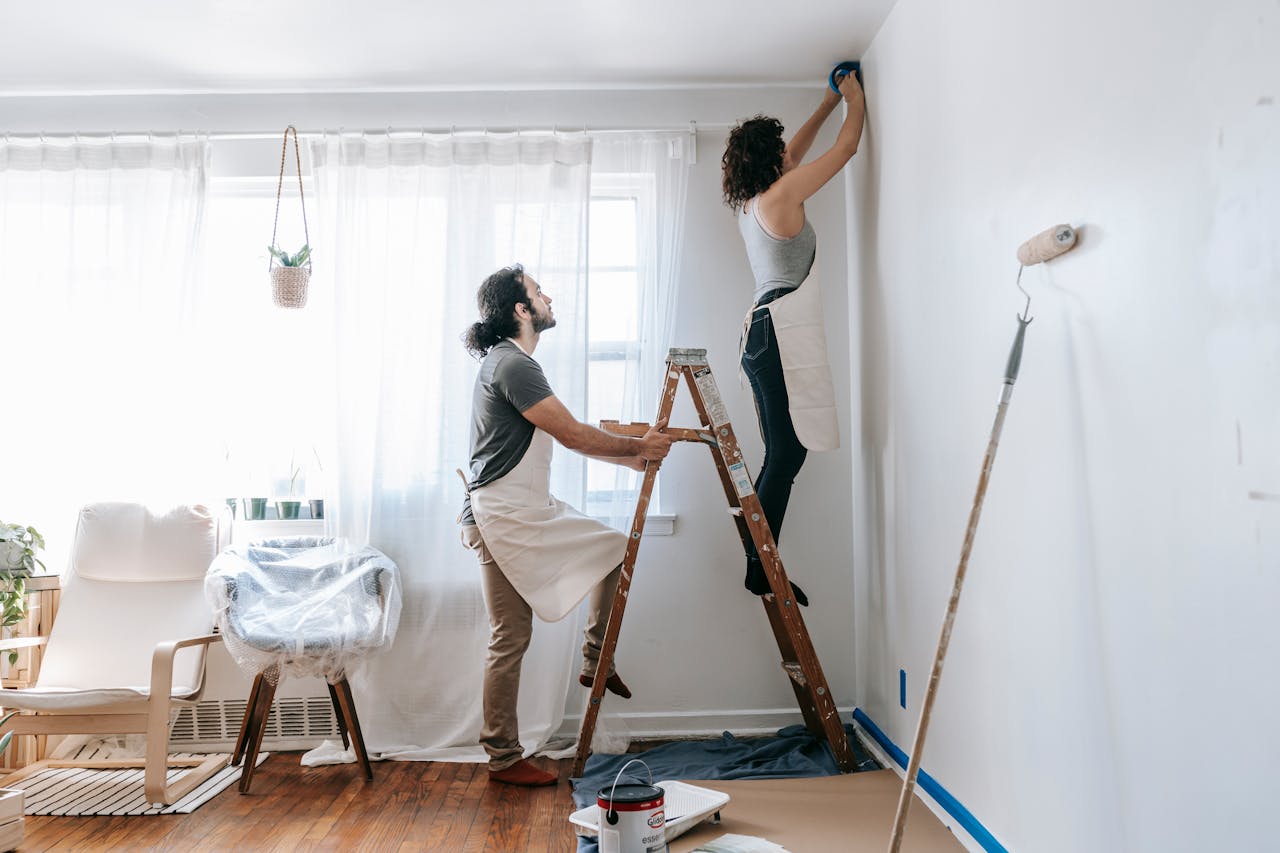
Which home improvements actually push up your resale price?
Let’s be honest for a second. Not every renovation pays you back when you sell. Some do, some don’t, and a few even cost you money in the long run. So if you’re a homeowner wondering which home improvements really increase your resale value, you’re asking exactly the right question before spending a penny. I’ve seen people drop fifteen grand on a fancy bathroom and recoup almost nothing, while a neighbour repainted, decluttered, and sold three weeks faster. Wild, right ?
The thing is, buyers don’t pay for what you love. They pay for what makes their life easier or makes them feel something the moment they walk in. That gut reaction at the door ? It matters more than people think. And funnily enough, some of the cheapest wins come from spaces nobody brags about – a proper pantry, a tidy utility nook, somewhere to actually store stuff. There’s a whole little world around home storage and food-keeping, and if that side of things interests you, https://bocauxmaison.fr is a nice rabbit hole on the topic. Anyway, back to the money question.
The kitchen : still king, but don’t go overboard
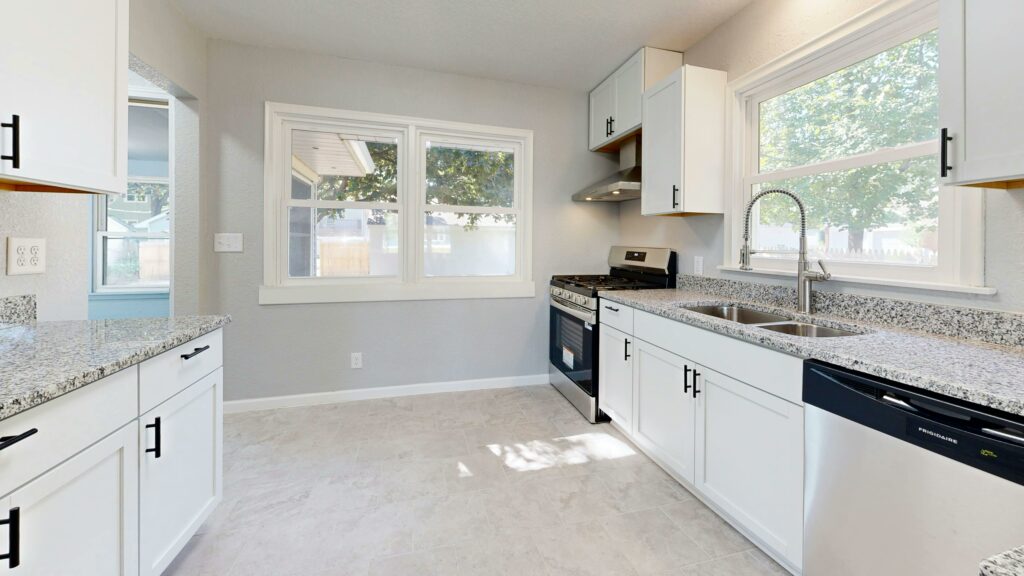 Franchement, the kitchen sells the house. It always has. But here’s where folks get it wrong – they assume “kitchen” means a £25,000 gut job. Nope. Most of the time a smart refresh beats a full rip-out. New worktops, repainted cabinet doors, decent handles, a clean splashback. Maybe a new tap that doesn’t look like it’s from 1998.
I genuinely think the biggest mistake is over-personalising. That bold green island you adore ? Half your buyers will see a repaint job and mentally knock money off. Keep it warm, keep it neutral, keep it functional. A good-sized kitchen with real storage almost always beats a flashy one with nowhere to put the pans.
Bathrooms : clean and modern beats luxurious
Same logic. A second bathroom or even a small extra loo can genuinely move the needle, especially in family homes – buyers count bathrooms, it’s a thing. But a brand-new spa-level suite ? You rarely get that money back.
What works : fresh grout, no mould, a modern vanity, good lighting, and a shower that actually feels powerful. Perso, I’d spend on making an existing bathroom feel spotless and bright before I’d ever add marble. Buyers remember the bathroom that smelled fresh and looked clean. They forget the expensive one with a weird layout.
Space, light, and the “extra room” effect
This is the big one. Anything that adds usable square footage tends to pay off. Converting a loft into a bedroom, turning a dusty garage into a home office, opening up a cramped layout – these change the actual category your house sells in. A two-bed becoming a three-bed ? That’s a different price bracket entirely.
Light matters more than people admit too. Bigger windows, a glazed door to the garden, knocking through a poky wall. A dark house feels small even when it isn’t. A bright one feels generous even when it’s tight. Ever walked into a place and instantly felt like you could breathe ? That feeling sells.
Storage and pantries : the quiet winners
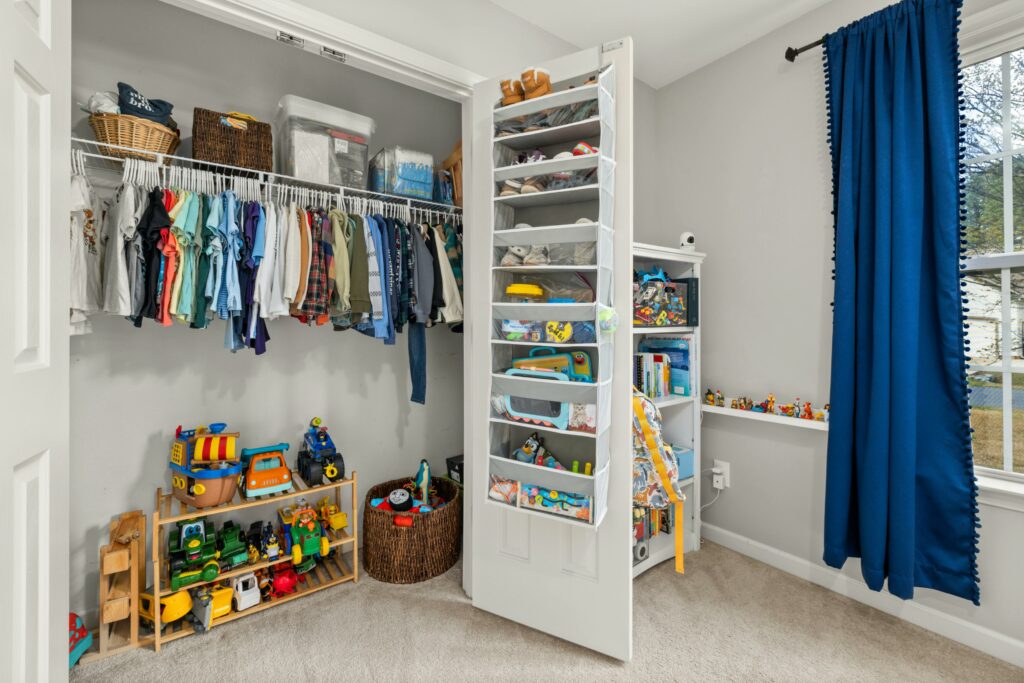 Here’s something underrated. Storage. Buyers obsess over it, even if they never say it out loud. Built-in wardrobes, a cupboard under the stairs that’s actually organised, a proper pantry or larder off the kitchen – these little practical spaces punch way above their cost.
A pantry especially has made a real comeback. People want somewhere to keep jars, dry goods, bulk shopping, the lot. It reads as “this house is practical and well thought out.” And honestly ? It’s cheap to create compared to almost everything else on this list. A few shelves, a tidy door, done.
Energy efficiency : increasingly non-negotiable
With energy bills where they are, this one’s only getting bigger. Decent insulation, double or triple glazing, a recent boiler, maybe solar if your roof suits it. A better EPC rating – that’s the energy performance certificate every UK home gets, basically a grade from A to G – can genuinely affect both your price and how fast you sell. Buyers do the maths on running costs now. They didn’t used to. They do now.
Kerb appeal : cheap, fast, weirdly powerful
The outside is the first thing anyone sees. Tidy front garden, a freshly painted door, clean windows, no broken gutter dangling about. It costs next to nothing and it sets the entire tone before they’ve even stepped inside. First impressions are brutal and they’re formed in about eight seconds.
So what should you actually do ?
If I had to rank it simply : fix what’s broken, declutter ruthlessly, refresh the kitchen and bathroom without going mad, add storage and light where you can, and don’t ignore the energy side. Avoid hyper-personal choices and luxury extras that only you will appreciate. The goal isn’t to build your dream home – it’s to help a buyer fall for theirs.
And the best part ? Some of the highest-return moves are the cheap, boring ones. A clean, bright, well-organised house with a sensible layout will nearly always beat a flashy one with quirks. Spend where it counts, skip the rest, and you’ll thank yourself when the offers come in.
Leave a Reply